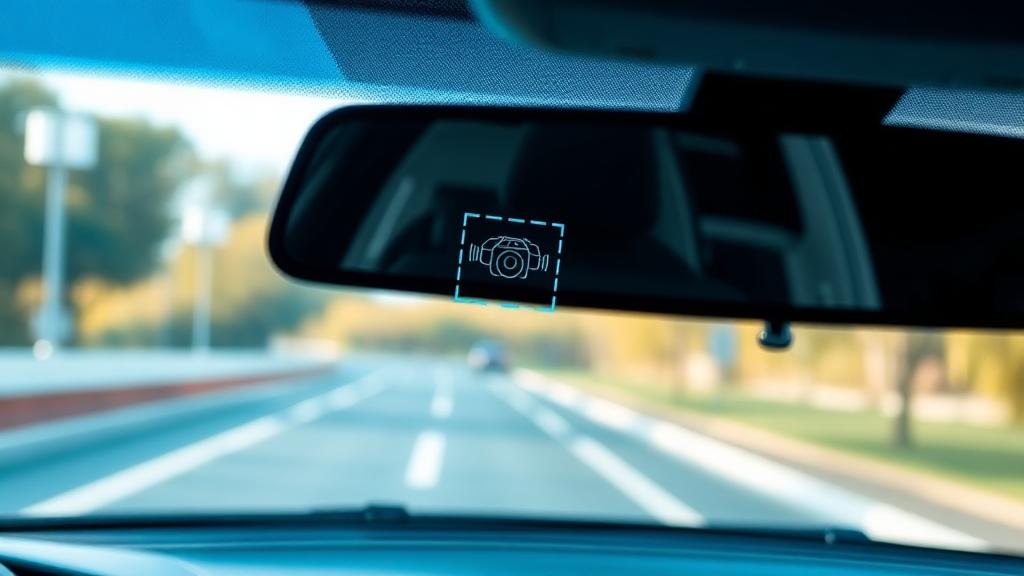
What is ADAS and Why Should You Care?
Advanced Driver Assistance Systems (ADAS) represent the most significant automotive safety advancement since seatbelts. These electronic systems use cameras, radar, and sensors to help prevent accidents and protect lives.
If your vehicle was manufactured after 2016, there is a good chance it has at least one ADAS feature - and many of these systems rely on cameras mounted on or near your windshield.
Common ADAS Features in Modern Vehicles
Camera-Based Systems (Windshield-Mounted)
These features typically use a forward-facing camera behind your rearview mirror:
Lane Departure Warning (LDW)
- Alerts you when drifting out of your lane
- Uses camera to track road markings
- Critical for highway driving safety
Lane Keep Assist (LKA)
- Actively steers to keep you in your lane
- More advanced than warning systems
- Relies on precise camera positioning
Forward Collision Warning (FCW)
- Detects vehicles and obstacles ahead
- Provides visual and audible alerts
- Gives you time to react and brake
Automatic Emergency Braking (AEB)
- Applies brakes if you do not respond to collision warning
- Can prevent or reduce severity of crashes
- Studies show 50% reduction in rear-end collisions
Why Calibration is Mandatory After Replacement
The Precision Problem
ADAS cameras must be aligned with extreme precision:
- Accuracy requirements: plus or minus 0.1 degrees
- At highway speeds, 0.1-degree misalignment = several feet of error
- Lane detection needs exact angle to road surface
- Distance calculations depend on camera position
What Happens During Windshield Replacement
Even with perfect installation, replacing your windshield changes:
- Glass position: New windshield sits slightly differently
- Camera mounting point: Housing may shift fractionally
- Optical properties: Different glass batch = slight variations
- Seal thickness: Affects angle by millimeters
Types of ADAS Calibration
Static Calibration
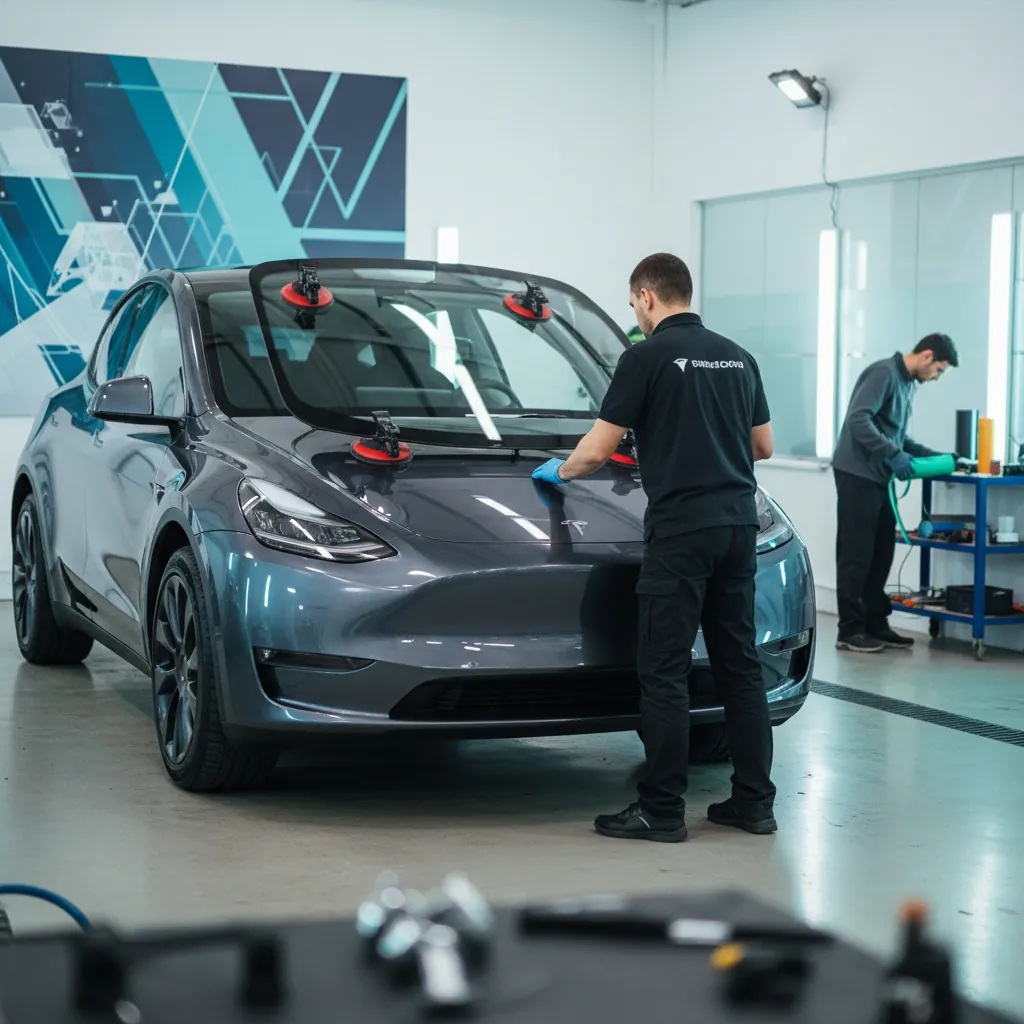
What it is: Calibration performed in a controlled indoor environment using specialized targets.
Requirements:
- Indoor facility with level floor
- Manufacturer-specific target boards
- OEM diagnostic software
- Trained technician
- 45-90 minutes typical
Dynamic Calibration
What it is: Calibration performed while driving the vehicle under specific conditions.
Requirements:
- Clear weather conditions
- Well-marked roads
- Specific speed range (usually 50-100 km/h)
- 20-40 minutes of driving
Cost of ADAS Calibration in Toronto
Calibration-Only Pricing (2024)
| Calibration Type | Average Cost | Time Required |
|---|---|---|
| Static only | $150-$250 | 45-90 min |
| Dynamic only | $100-$175 | 30-60 min |
| Dual (both) | $225-$350 | 1.5-2 hours |
Trust Your Safety Systems to Experts
ADAS calibration is not optional - it is essential for your safety and the safety of everyone on Toronto roads. At Advanced Auto Glass, we have the equipment, training, and experience to ensure your safety systems work exactly as designed.
Call (647) 233-6305 to schedule your windshield replacement with proper ADAS calibration, or request a quote online.