
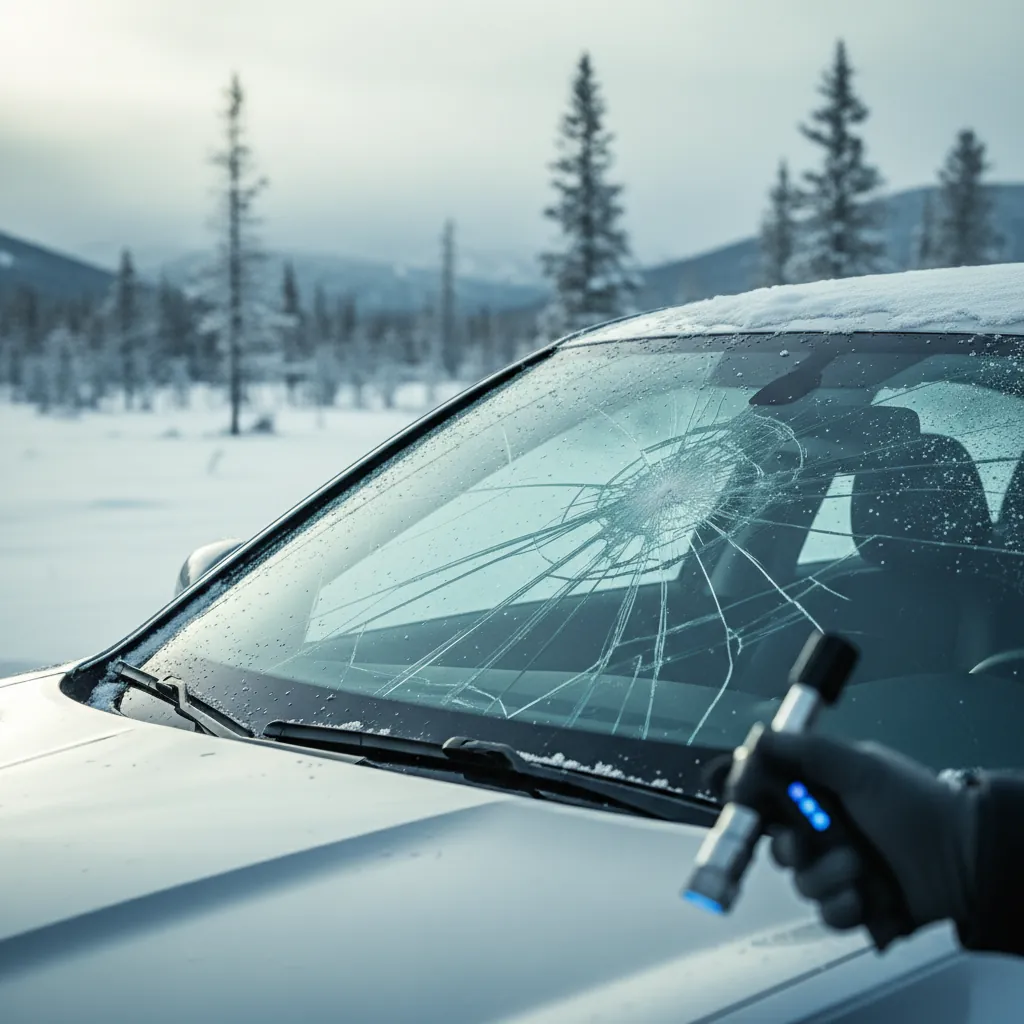
Canadian winters are known for their beauty, and their brutality on vehicles. Between freezing temperatures, heavy snowfall, ice buildup, and constant road debris, your windshield is under stress for months at a time. Many drivers don’t realize how easily winter conditions can turn a small chip into a major crack or even a full windshield failure. Understanding how Canadian winters damage your windshield and knowing what to do when problems appear can help you stay safe, avoid unexpected costs, and prevent sudden breakdowns during the coldest months of the year.
Why Winter Is the Most Dangerous Season for Windshields
Your windshield is designed to be strong, but it isn’t invincible. Canadian winters create a perfect storm of conditions that weaken auto glass over time. Extreme cold causes the glass to contract, while heat from inside the vehicle forces it to expand. This constant push and pull creates stress, especially if there is already minor damage present. What makes winter particularly dangerous is that damage doesn’t always happen all at once. In many cases, a chip that formed months earlier suddenly spreads overnight when temperatures drop below freezing.
Freezing Temperatures and Glass Contraction
When temperatures fall well below zero, glass naturally contracts. If your windshield already has a chip or tiny crack, cold air can cause that weak spot to grow quickly. Many drivers wake up to find a crack that wasn’t there the night before, simply because the glass contracted in extreme cold. The problem becomes worse when temperatures fluctuate frequently, which is common during Canadian winters. Repeated freezing and warming cycles place constant pressure on the windshield, accelerating damage.
Sudden Heat Changes Cause Stress Cracks
One of the most common winter mistakes is applying intense heat too quickly. Turning the defroster to maximum heat on a frozen windshield may feel necessary, but it creates a sudden temperature difference across the glass. This rapid change causes uneven expansion, leading to stress cracks — especially around existing chips or along the edges of the windshield. Pouring warm or hot water on icy glass can be even more damaging and may cause instant cracking.
Snow and Ice Add Physical Pressure
Heavy snow and ice buildup may seem harmless, but it adds significant weight and pressure to the windshield. When ice freezes unevenly across the surface, it creates tension points that weaken the glass. Aggressive ice scraping, hitting the windshield to break ice, or using sharp tools can easily worsen existing damage. Over time, this repeated stress increases the likelihood of cracks spreading.
Road Salt, Sand, and Gravel Lead to Stone Chips
During winter, road crews spread salt, sand, and gravel to improve traction. Unfortunately, these materials are one of the biggest causes of windshield damage in Canada. As vehicles drive at highway speeds, small stones are kicked up and strike the windshield with force. These impacts often create tiny chips that go unnoticed — until cold weather causes them to expand into visible cracks. Winter stone chips are especially dangerous because freezing temperatures make repairs more urgent.
Moisture Makes Winter Windshield Damage Worse
When moisture enters a windshield chip or crack, it freezes and expands. This expansion pushes outward on the glass, making the damage larger each time temperatures drop. Repeated freeze–thaw cycles allow moisture to penetrate deeper into the glass layers, often making repair impossible. This is why windshield damage spreads much faster in winter than in summer.
Worn Winter Wipers Can Damage the Glass
Winter wiper blades often carry ice, salt residue, and dirt. If wipers are worn or frozen to the windshield, using them can scratch the glass surface. While scratches may seem cosmetic, they weaken the windshield and increase the risk of cracking under stress. Replacing wiper blades regularly during winter helps protect both visibility and glass integrity.
What To Do When Winter Damages Your Windshield
The most important thing you can do is act early. Small chips and cracks are far easier and cheaper to repair before winter damage spreads.
If you notice damage:
- Avoid sudden heat changes
- Warm the windshield gradually
- Repair chips as soon as possible
- Avoid aggressive scraping or impact
Professional windshield repair can often stop damage before replacement becomes necessary.
When Windshield Repair Is No Longer Enough
In some cases, winter damage is too severe for repair. You may need windshield replacement if the crack is long, spreading, located in the driver’s line of sight, or reaches the edge of the glass. Driving with severe windshield damage in winter is unsafe and may lead to visibility issues, sudden shattering, or legal problems.
How to Protect Your Windshield During Canadian Winters
While winter damage can’t always be avoided, you can reduce risk by parking indoors when possible, repairing chips immediately, keeping distance from gravel trucks, using proper winter washer fluid, and clearing snow gently. Preventative care goes a long way during harsh winter months.
Stay Ahead of Winter Windshield Damage
Canadian winters are unforgiving, and your windshield is one of the most vulnerable parts of your vehicle. Cold temperatures, ice, gravel, and moisture work together to turn small damage into serious problems if left untreated. Understanding how winter conditions affect your windshield — and taking action early — helps protect your safety, your vehicle, and your wallet. A clear, strong windshield is essential for safe winter driving, and timely repair or replacement makes all the difference.